Window Frame Christmas Card: Festive & Functional
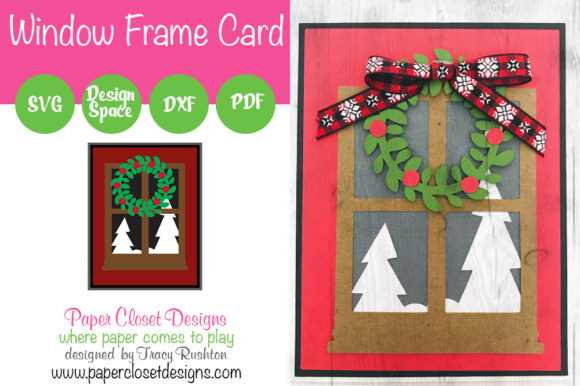
Imagine sending a holiday greeting that doesn’t just say “Merry Christmas” — it invites the recipient to pause, smile, and feel personally seen. The Window Frame Christmas Card does exactly that: it’s a tactile, visually layered design where the card itself mimics a window — complete with a die-cut “pane” revealing a photo, illustration, or handwritten note behind it. Unlike flat printed cards or digital e-cards, this format adds dimension, intention, and quiet storytelling in one elegant piece.
Why Dimension Matters in Holiday Communication
In a season flooded with emails, social posts, and mass-produced greetings, physical presence carries weight. A Window Frame Christmas Card leverages spatial design to create subtle psychological impact: the frame draws the eye inward, focusing attention on what matters most — whether that’s a family photo from summer vacation, a child’s watercolor drawing, or a short message written in ink. That visual hierarchy isn’t accidental; it mirrors how we naturally process meaning — first the container, then the content within.
This isn’t novelty for novelty’s sake. Designers and educators have long used framing devices to guide attention and signal importance. When applied to a holiday card, that principle translates into stronger emotional resonance — especially for recipients who value authenticity over polish.
Real-World Uses Across Roles and Routines
Professionals managing client relationships often struggle to balance warmth and professionalism in seasonal outreach. A Window Frame Christmas Card solves that quietly: print your company logo subtly in the outer frame, and place a candid team photo or project milestone image behind the window. It feels personal without being informal — ideal for architects, consultants, or boutique agencies wanting to reinforce brand identity while staying human.
Freelancers and creators use it differently. One illustrator I spoke with layers her signature line art in the frame and inserts a small print of a new holiday-themed sketch behind it — turning the card into a mini portfolio piece. Teachers slip in student artwork (with permission) behind the window, pairing it with a handwritten note about growth over the year. Small business owners insert a photo of their storefront decorated for the holidays — instantly reinforcing local presence and community connection.
Time-Saving Without Sacrificing Thoughtfulness
Let’s be honest: many people skip physical cards not because they don’t care, but because assembling, addressing, and mailing feels overwhelming by December. The Window Frame Christmas Card simplifies that workflow — especially when ordered through print services offering templates, bulk upload, and address auto-fill. You choose one layout, upload images once, and let the system handle sizing, cropping, and even postage integration.
More importantly, it reduces decision fatigue. Instead of agonizing over wording for 50+ recipients, you craft one meaningful image-and-message pairing that works across audiences. A photographer might use the same studio portrait behind every frame but vary only the handwritten note inside — preserving individuality without reinventing the wheel.
Supporting Creativity — Not Replacing It
This format doesn’t constrain expression; it focuses it. Because the “window” area is fixed in size and position, designers and non-designers alike benefit from built-in composition guidance. You’re encouraged to think intentionally about what belongs *in view* — and what can live outside the frame as context (a textured paper background, foil-stamped border, or embossed title).
For bloggers and educators creating seasonal resources, the Window Frame Christmas Card doubles as a teaching tool. One elementary art teacher uses blank frames as a classroom activity: students draw holiday scenes on separate sheets, then mount them behind cut-out windows — learning about layering, scale, and focal points through hands-on making.
Who Benefits Most — And When to Consider Alternatives
The Window Frame Christmas Card shines for those who regularly send 25–200 physical greetings per year and value both aesthetic cohesion and emotional specificity. It’s especially well-suited for creative professionals, service-based businesses with strong visual identities, educators building classroom culture, and families wanting to elevate tradition without excess formality.
That said, it’s not always the right fit. If your list exceeds 500 names and budget is tight, standard flat cards or targeted email campaigns may offer better ROI. If accessibility is a priority — for example, sending to recipients with low vision — consider pairing the physical card with a plain-text email version that describes the imagery and sentiment. Some print vendors now offer braille add-ons or high-contrast options, but those remain limited and require advance planning.
Material Choices That Shape Meaning
Not all Window Frame Christmas Cards are created equal — and the paper stock, finish, and assembly method directly affect perception. A matte 300gsm cotton rag paper conveys quiet luxury and works beautifully with ink-based writing. A pearlescent finish catches light softly, enhancing festive warmth without glare. Recycled kraft board offers earthy texture and aligns with sustainability goals — especially when paired with soy-based inks.
One small business owner told me she switched from glossy photo cards to uncoated recycled stock with a kraft window frame after noticing clients kept hers on desks longer — “It feels like something worth holding onto, not tossing.” That tactile impression lingers beyond the season.
A Note on Personalization That Goes Beyond Names
Personalization here isn’t just inserting “Dear [First Name]” — it’s curating what appears *behind the glass*. A therapist might place a serene winter landscape behind the window and write, “Wishing you stillness this season,” tying image and text into a cohesive emotional cue. A software developer sent cards with a framed screenshot of his open-source holiday project — not as bragging, but as an invitation to engage.
That level of contextual alignment takes minimal extra time but multiplies impact. It signals you’ve considered not just *who* the person is, but *what might resonate* with them right now — a nuance flat greetings rarely achieve.
Getting Started Thoughtfully
If you’re exploring the Window Frame Christmas Card, start small: order 10–20 test prints before committing to a full run. Try different image crops, font pairings, and paper finishes side by side. Pay attention to how light interacts with the window edge — some foils reflect more than others, which affects readability of handwritten notes.
Also consider timing. Most reputable printers recommend ordering by early December for domestic delivery by Christmas Eve — but if you’re adding custom calligraphy or hand-tied ribbons, allow three weeks minimum. Planning ahead turns what could feel like a logistical hurdle into a calm, reflective part of your holiday rhythm.
Ultimately, the Window Frame Christmas Card isn’t about standing out for the sake of attention. It’s about honoring connection through thoughtful design — giving both sender and receiver a moment of clarity, warmth, and shared humanity in a crowded season. When done well, it doesn’t just mark the holidays — it marks what matters.