What Is a Layered Wedding Cake—and When Does It Make the Most Sense?
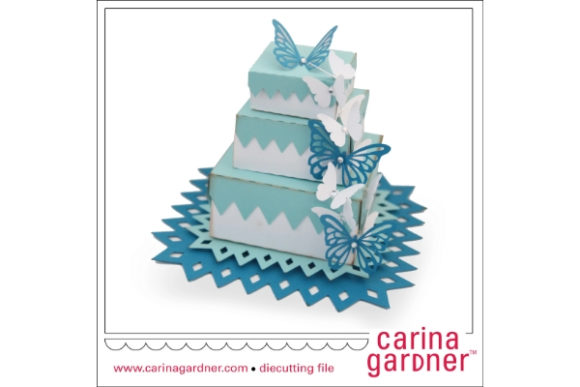
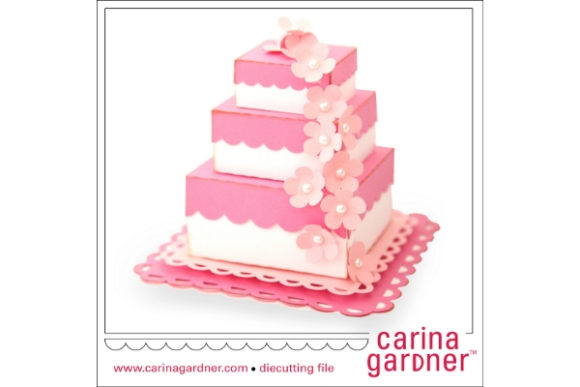
A Layered Wedding Cake is a traditional tiered cake structure where multiple distinct horizontal layers—typically two to five—are stacked and separated by fillings, frosting, or structural supports. Each layer may differ in flavor, texture, or visual design, but they share a unified aesthetic and structural logic. Unlike single-tier celebration cakes or sculptural novelty cakes, the layered wedding cake emphasizes vertical elegance, ceremonial symbolism, and practical portioning for guests.
How It Differs From Other Wedding Cake Formats
The defining feature of a Layered Wedding Cake isn’t just height—it’s intentionality in layering. A two-tier cake with a 6-inch top tier and 10-inch bottom tier isn’t merely “taller”; it reflects planning around serving size, display impact, and tradition (e.g., saving the top tier for a first anniversary). This contrasts with:
- Sculptural or novelty cakes, which prioritize shape and theme over tiered function—think a cake shaped like a book, a car, or intertwined rings. These often sacrifice structural stability and ease of serving.
- Single-tier cakes, sometimes chosen for intimacy, budget, or modern minimalism. While simpler to execute and serve, they offer less visual presence and fewer opportunities for flavor variety across servings.
- Cupcake towers or dessert tables, which distribute sweetness across formats rather than concentrating it into one centerpiece. These increase flexibility but reduce the symbolic weight and focal-point power of a central cake.
Unlike those alternatives, a Layered Wedding Cake balances form and function: it serves as both a decorative anchor and a practical food source, with each tier contributing meaningfully to the guest experience.
Strengths That Support Real-World Use
When executed well, a Layered Wedding Cake delivers consistent advantages across common wedding contexts:
- Portion control and scalability: Bakers calculate servings per tier based on standard slice dimensions (e.g., 1" x 2"). A three-tier cake (6", 9", 12") reliably serves ~100 guests—predictable in a way that dessert bars or mixed confections rarely are.
- Flavor and texture layering: Different tiers can host different flavors—lemon-raspberry for the top tier, chocolate ganache for the middle, vanilla bean for the base—without compromising structural integrity. Fillings like buttercream, curd, or mousse add contrast without destabilizing the stack.
- Visual hierarchy and ceremony flow: The graduated sizing creates natural focal points. Guests notice the cake upon entry; the couple cuts the bottom tier during the reception; the top tier is preserved—each action aligning with a physical tier.
- Vendor alignment: Most professional bakers, caterers, and venues have standardized protocols for transporting, assembling, and serving layered cakes—including refrigeration needs, support dowel requirements, and plating logistics.
Tradeoffs Worth Weighing Thoughtfully
No format is universally optimal. A Layered Wedding Cake introduces considerations that matter depending on venue, guest count, climate, or personal priorities:
- Structural complexity increases with tier count. A five-tier cake demands internal support systems—often plastic or wooden dowels—to prevent collapse. Outdoor weddings in warm weather raise humidity and melting risks, especially with buttercream. Fondant offers more heat resistance but changes mouthfeel and sweetness perception.
- Cost scales non-linearly. Each added tier means more batter, filling, frosting, labor, and transport risk. A four-tier cake isn’t simply 33% more expensive than a three-tier version—it may cost 50–70% more due to engineering, delivery insurance, and setup time.
- Design constraints exist. Sharp angles, extreme color gradients, or delicate sugar flowers behave differently across tiers. A design that works beautifully on a 6-inch top tier may visually overwhelm or distort on a 14-inch base tier unless proportionally adjusted.
- Leftover management isn’t trivial. Freezing and thawing multi-layer cakes requires care. Frosting can separate, fillings may weep, and delicate decorations rarely survive long-term storage intact—even with proper wrapping and temperature control.
When a Layered Wedding Cake Fits Best
A Layered Wedding Cake tends to be the strongest choice when:
- Guest count exceeds 60 and a clear, scalable serving solution is needed. Below that number, a single-tier cake or elegant sheet cake may suffice—and often taste fresher, since less time passes between baking and serving.
- The venue has indoor climate control and a dedicated, level surface for display. Historic barns, beachfront decks, or un-air-conditioned ballrooms introduce variables that challenge structural integrity and frosting stability.
- Tradition or symbolism matters meaningfully—not as obligation, but as intentional expression. Couples who value the ritual of the cake-cutting moment, the visual metaphor of growth and unity, or the tangible keepsake of a preserved tier often find deeper resonance here.
- Flavor variety is a priority without sacrificing cohesion. Rather than offering six mini-desserts, a layered approach lets guests experience nuanced variations within one unified presentation—e.g., lavender-honey in the top tier, spiced pear in the middle, dark chocolate stout in the base—all tied together by a shared buttercream finish.
When Another Option May Serve Better
A Layered Wedding Cake becomes less ideal when:
- Budget is tightly constrained and funds are better allocated elsewhere—say, toward photography, music, or guest transportation. A well-executed single-tier cake with custom piping and seasonal fruit garnish often delivers more perceived value per dollar than a modestly decorated three-tier version.
- Dietary inclusivity is central and accommodating vegan, gluten-free, or nut-free guests would require duplicating every tier. In such cases, a curated dessert table with labeled individual portions (mini cakes, panna cotta cups, fruit tarts) offers clearer transparency and reduces cross-contamination risk.
- The wedding is highly informal or unconventional—a backyard picnic, elopement, or destination event where cake transport is logistically impractical. A local bakery drop-off of sheet cake slices or a chef-prepared dessert station may align more naturally with the tone and constraints.
- Time is limited and the couple prefers simplicity over ceremony. If the cake-cutting feels like an obligation rather than a highlight, streamlining the dessert experience—perhaps with a signature cocktail and small bites—can preserve energy and authenticity.
Making the Decision Without Pressure
Choosing a Layered Wedding Cake shouldn’t hinge on expectation alone. It’s worth asking: Does this format reflect how you want your day to feel—not just how it’s “supposed” to look? Will it simplify or complicate coordination with your baker, venue, and caterer? Does it leave room for joy, not just execution?
Realistic examples help ground the decision. A couple hosting 85 guests in a historic downtown venue opted for a three-tier Layered Wedding Cake with alternating vanilla and espresso layers, stabilized with Swiss meringue buttercream. They chose fondant accents only on the bottom tier for durability, skipping them entirely on upper tiers to preserve texture. Meanwhile, another couple with 40 guests at a mountain lodge selected a single-tier almond-cardamom cake served family-style from a rustic wooden board—paired with honey-vanilla ice cream scooped tableside. Both choices worked because they matched context, values, and logistics—not because one was “more correct.”
Ultimately, the strength of a Layered Wedding Cake lies not in its height or ornamentation, but in its adaptability: it can be traditional or minimalist, rich or restrained, elaborate or understated—as long as it serves the people and purpose behind it.