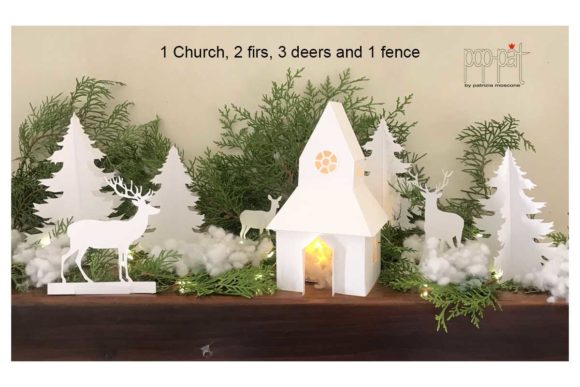
What Is a Christmas Bundle—and Is It Right for You?
A Christmas Bundle refers to a curated collection of products, services, or digital resources grouped together and offered as a single package—typically timed for the holiday season. These bundles vary widely: they may include physical items like ornaments, candles, and wrapping supplies; digital offerings such as holiday-themed design templates, music playlists, or printable planners; or even subscription-based access to seasonal content, recipes, or activity kits. Unlike standalone purchases, a Christmas Bundle emphasizes convenience, thematic cohesion, and often cost efficiency—but its value depends entirely on individual needs and usage patterns.
Why People Consider a Christmas Bundle
Shoppers and planners explore Christmas Bundles for several practical reasons. Some seek time savings—coordinating decorations, gifts, cards, and meals individually can be overwhelming in December. Others prioritize consistency: a bundle with matching colors, fonts, or stylistic elements helps unify holiday communications or home décor. Budget-conscious users may be drawn to bundled pricing, especially if it offers a discount compared to buying each item separately. Educators, small business owners, and event coordinators also evaluate Christmas Bundles for ready-to-use materials that support seasonal projects—like classroom activities, social media campaigns, or client gift sets.
Key Benefits to Weigh
When aligned with actual use, a Christmas Bundle can deliver tangible advantages:
- Efficiency: Bundles reduce research, comparison, and checkout time—particularly helpful when managing multiple holiday responsibilities.
- Cohesion: Design- or theme-focused bundles (e.g., “Scandinavian Minimalist Christmas” or “Rustic Farmhouse Holiday”) ensure visual and tonal consistency across printed and digital touchpoints.
- Predictable scope: A defined set of contents makes planning more straightforward—no guesswork about whether you have enough greeting card designs or recipe variations.
- Cost transparency: Upfront pricing eliminates surprise fees from add-ons, licensing, or tiered subscriptions—assuming all terms are clearly disclosed before purchase.
Tradeoffs and Realistic Expectations
However, not every Christmas Bundle delivers equal value. One common tradeoff is flexibility: bundles often limit customization. If you only need two out of ten included templates—or prefer different color schemes—you may pay for unused components. Licensing terms also vary significantly. A digital Christmas Bundle might grant personal use only, restrict commercial application, or expire after one season—details that matter for freelancers or small businesses repurposing assets year after year.
Physical bundles introduce additional considerations. Shipping timelines, packaging sustainability, and product quality aren’t always evident from marketing images. Likewise, seasonal demand can lead to delayed fulfillment or limited restocks—so availability shouldn’t be assumed. And while discounts exist, they’re not guaranteed: some bundles price competitively, others inflate base costs before applying a “20% off” label. Always compare line-item totals against individual retail prices when possible.
When a Christmas Bundle Is a Strong Fit
A Christmas Bundle tends to align well with your goals if:
- You’re planning a coordinated holiday effort—such as mailing 50+ personalized cards and want matching envelopes, stamps, and wording suggestions.
- You manage recurring seasonal tasks (e.g., an annual newsletter, school craft fair, or pop-up shop) and benefit from reusable, on-brand assets—even if only for one cycle.
- Your timeline is tight, and sourcing reliable, vetted items individually would require more time than you have available.
- You’re new to holiday planning and appreciate guided structure—like a checklist, timeline, and pre-selected options—to reduce decision fatigue.
In these cases, the bundle’s curation acts as a starting point—not a constraint—and its value lies in reducing cognitive load during a high-demand period.
When Alternatives May Serve You Better
Conversely, consider alternatives if:
- You already own most of what’s included—or have strong preferences that conflict with the bundle’s theme, format, or quality level.
- Your use case requires scalability or adaptation (e.g., translating materials into another language or integrating them into existing software), and the bundle lacks editable source files or open licensing.
- You plan to reuse elements beyond the current season and the bundle’s license or format doesn’t support long-term retention or updates.
- You’re budgeting carefully and find that purchasing only the highest-priority items individually results in lower total cost—or better quality per dollar.
For example, a graphic designer building custom holiday branding for multiple clients may find greater flexibility—and professional credibility—in sourcing premium fonts, stock photos, and illustration packs separately, rather than accepting a pre-set aesthetic from a bundle.
Making a Practical Decision
Evaluating a Christmas Bundle starts with clarity about your core objective. Ask yourself: What specific task or outcome am I trying to support? Is it sending thoughtful gifts? Creating engaging social content? Decorating a shared workspace? Once the goal is defined, list the essential components needed to achieve it—and compare that list directly against the bundle’s contents.
Next, review usage rights, compatibility, and longevity. Can you edit the files? Will they work with your preferred tools (e.g., Canva, Adobe InDesign, Microsoft Word)? Does the seller provide support or updates? For physical bundles, check return policies, material specifications, and origin information—especially if ethical sourcing or durability matters to you.
Finally, assess opportunity cost. Time spent assembling a bundle isn’t inherently wasted—but if it introduces friction (e.g., learning new software to access templates, or repackaging items for gifting), weigh that against the time saved elsewhere. Sometimes, a simpler approach—like selecting three high-quality standalone items—yields more reliable results than a comprehensive but mismatched Christmas Bundle.
Conclusion
A Christmas Bundle is neither universally advantageous nor inherently limiting—it’s a tool shaped by context. Its usefulness emerges not from its size or price, but from how closely its contents match your practical requirements, constraints, and standards. Thoughtful evaluation—grounded in real tasks, honest usage estimates, and clear priorities—helps separate genuinely helpful curation from superficial convenience. Whether you choose a Christmas Bundle, build your own selection, or adopt a hybrid approach, the most effective holiday planning begins with intention—not impulse.