Succulent Wreath: Living Art for Any Space
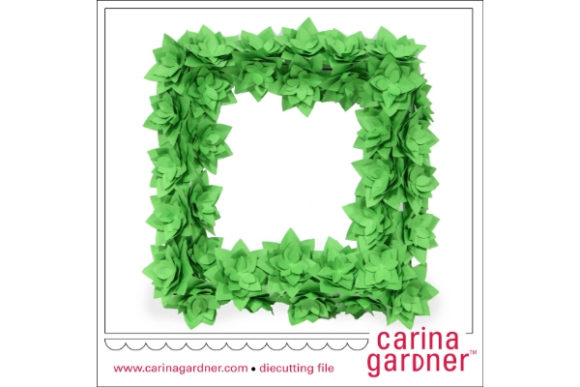
A Succulent wreath isn’t just decor—it’s a low-maintenance, living statement piece that bridges horticulture and design. Unlike cut-flower arrangements or synthetic imitations, it grows slowly, adapts gracefully, and adds quiet vitality to walls, doors, desks, and event spaces. For professionals juggling deadlines, educators seeking tactile classroom tools, or small-business owners curating memorable brand environments, a succulent wreath delivers tangible presence without demanding daily attention.
Why It Works Where Other Decor Falls Short
Succulents—like echeveria, sedum, and sempervivum—are naturally drought-tolerant, shallow-rooted, and compact. When trained into a circular form on a moss-wrapped base (often coconut coir or sphagnum), they create a self-contained ecosystem. Their slow growth means shape holds for months; their varied textures—powdery blues, waxy greens, rosette layers—add visual depth without visual noise. No watering schedule dominates your calendar. A thorough soak every 10–14 days, plus bright indirect light, keeps most thriving—even in home offices with north-facing windows or retail corners with limited HVAC airflow.
Real-World Utility Across Roles
Consider how a succulent wreath functions beyond “pretty”:
- For educators and trainers: Use one as a hands-on botany anchor—students observe root development, water retention strategies, and seasonal color shifts. No lab setup needed. Rotate it weekly during plant science units, then hang it in the hallway as a living bulletin board.
- For freelancers and remote workers: Place it beside your monitor. Its organic rhythm counterbalances screen fatigue. Unlike static prints or plastic greenery, its subtle changes—a new pup emerging, a leaf deepening in hue—offer micro-moments of grounding without distraction.
- For boutique retailers and cafes: Mount a 16-inch succulent wreath near your entryway or register. It signals care and intentionality—customers associate that quiet craftsmanship with your product ethos. Bonus: it photographs well for Instagram Stories without staging.
- For wedding and event planners: Swap traditional floral hoops for preserved or live succulent wreaths on chair backs, arches, or cake tables. They hold up through outdoor ceremonies better than delicate blooms—and double as guest favors when pre-potted pups are included.
Design Integrity Meets Practical Intelligence
A well-made succulent wreath balances structure and biology. Look for tight, even spacing—not overcrowded, not sparse. Healthy specimens show firm leaves, no yellowing at the base, and minimal exposed stem. The moss base should feel dense and slightly damp to the touch (not soggy or dust-dry). Wire framing is standard, but high-end versions use biodegradable jute or recycled metal—important if you plan to eventually transplant sections into individual pots.
Size matters functionally, not just aesthetically. A 12-inch wreath fits neatly above a desk or bathroom mirror. An 18–24 inch version anchors a blank wall in a studio apartment or co-working lounge. Avoid oversized pieces unless you have consistent airflow and access for occasional rotation—succulents stretch toward light, and asymmetry creeps in silently over time.
What to Watch For (and What to Ignore)
Not all succulent wreaths age equally. Here’s what actually affects longevity:
- Root integration: If roots haven’t begun weaving into the moss within 3–4 weeks of installation, the wreath may shed plants prematurely. Gently lift a leaf—if resistance feels loose, it’s still settling.
- Light consistency: South- or west-facing spots work best indoors. East light is acceptable; north light requires supplemental grow LEDs (even 2–3 hours/day makes a measurable difference).
- Water method: Soaking—not spraying—is non-negotiable. Submerge the entire base for 15–20 minutes, let drain fully, then hang. Spraying causes rot at the crown and encourages mold in tight rosettes.
- Seasonal cues: Most succulents rest in winter. Reduce watering frequency by half November–February. Don’t force growth with fertilizer—it stresses more than supports.
Ignore claims about “no-water” or “self-sustaining” wreaths. All living plants need hydration—just less often than most assume. Also skip wreaths glued with hot glue or synthetic adhesives; they inhibit root contact and trap moisture where it shouldn’t linger.
Branding, Tone, and Unspoken Messaging
In commercial or client-facing settings, a succulent wreath quietly communicates values: patience, sustainability, attention to detail, resilience. A law firm’s waiting area with one signals calm competence—not trend-chasing. A yoga studio’s front door adorned with a grey-green echeveria wreath reinforces natural alignment without saying a word. It’s branding you don’t have to explain.
That subtlety extends to digital presence. Photograph your wreath in natural light, unedited except for exposure correction. Post it alongside a short caption like, “This one’s been with us since April—still full, still focused.” That kind of authenticity resonates more than stock imagery or over-polished reels.
Getting Started Without Overcommitting
If you’re new to living wreaths, start small: choose a 10–12 inch version with 3–5 varieties max. Echeveria ‘Lola’, sedum ‘Angelina’, and sempervivum ‘Ruby Heart’ pair reliably in tone and tempo. Skip rare cultivars—they’re harder to source replacements for if one declines.
When ordering online, check for regional sourcing. A wreath grown in California will acclimate faster in Phoenix than one shipped from Maine. Local nurseries often build custom versions—you can specify preferred colors, size, and even request a mix that tolerates your building’s HVAC humidity levels.
And remember: a succulent wreath isn’t meant to be perfect. A slight lean, a single dried leaf, a tiny offset pup pushing through moss—these aren’t flaws. They’re evidence of life doing its work. That’s the real utility: it reminds you, daily, that growth isn’t always loud, fast, or linear—and neither does yours need to be.